
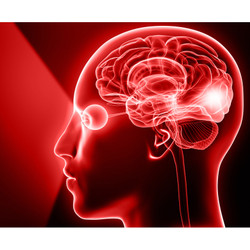
The human visual system provides more than just an internal image of our world. It processes each interaction with our environment through a complex communication system that not only determines the clarity in which we view objects and environmental spaces, but also engages the proprioceptive, vestibular and kinesthetic perceptions that support muscles coordination and refine the quality of human movement. Muscular activation enhances cognitive attention to task and allows for improved multisystem stamina over time. After all, our eyes are controlled by muscles and our nervous system connections.
Many individuals can experience a multisystem impact when the visual system does not develop traditionally, experiences insult or injury, or encounters a disease process. If the eyes are not able to accurately and quickly focus on their target, a visual shift occurs, resulting in a perceived spatial difference between objects and our environment. This perceived difference can result in safety hazards, including falls.
The ocular system should be highly efficient in engaging smooth easy movement to scan and locate items of visual interest. This movement, known as pursuits, allows the eyes to gather a significant amount of information regarding the environment, challenging the brain to then match that information with what it already knows about those items and the current environmental factors to assist the muscular system in creating efficient movement patterns.
One should also be able to move both eyes simultaneously and efficiently at a rapid pace. Saccadic movements are critically important for maintaining stability and environmental safety. Saccades assist with sharpening the outlines of visual images, pulling visual information that is perceived to be important rapidly into focus and creating visual space between multiple objects in the horizontal and vertical visual landscapes. Both pursuits and saccades are essential for academic skills, such as reading.
To facilitate increased control of slow, guiding eye movements as well as challenge the visual system to process fast-paced visual images, therapeutically grading suspension with visual projection is my favorite intervention combination. It is no secret that I have yet to meet a Southpaw swing that I did not love. Fewer people, may, however, be familiar with how to expand traditional visual, vestibular and motor system supports in suspended play by adding ocular engagement and facilitated targeting with the use of interactive visual projection. When intervention fun can be amplified through the use of multiple therapeutic products such as the Obie Pro, a complex tactile and visual interactive projection system, or something less stimulating, such as the Light Paw Panel or a Ping Pong Ball Tube.
Therapists can effectively match the target and pace of visual inputs with as much or as little desired environmental backdrop to meet their client’s needs. Subsequently, therapists have multiple options to grade up their therapeutic interventions with client success or the need for increased visual and vestibular challenge. They may also grade down their interventions in response to the individual sensory needs and interests of their clients.
Individualized, client-centered care creates the greatest space for objective, functional progression of therapeutic outcomes. Combining professional practice frameworks with great, multipurpose products only creates more space to optimize the functional outcomes of our clients.